Your Crew Is Out There: How Discord Turned Bedroom Gamers Into Bonafide Tournament Squads
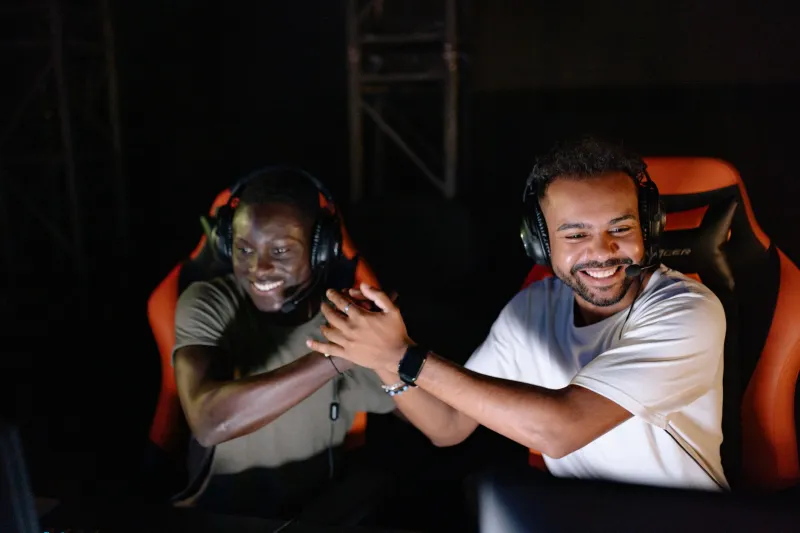
Every great captain needs a crew. That's not just nautical wisdom — it's the founding philosophy of thousands of competitive gaming teams that got their start not in some fancy esports facility, but in a Discord server that probably had a goofy pirate emoji in the name.
For the uninitiated, Discord is a free communication platform originally built for gamers that has since evolved into something far more powerful: a full-blown ecosystem where competitive teams are formed, trained, scheduled, and occasionally torn apart by drama over who used the last of the team's ranked placement matches. It's chaotic, it's real, and it's producing legitimate tournament talent at a rate that traditional esports organizations simply cannot match.
So how exactly does a person go from lurking in a random gaming server to captaining a squad that's actually winning things? Pull up a chair, landlubber. We're charting the whole voyage.
The Server Is the Ship
Think of a well-run Discord server the way you'd think of a well-run vessel. There's a hierarchy. There are roles. There are channels dedicated to specific functions — strategy discussion, VOD review, scheduling, and yes, the inevitable off-topic channel where someone is always posting memes at 2 a.m.
What makes Discord uniquely powerful for competitive gaming is that it flattens the barrier between casual play and organized competition. A few years ago, if you wanted to compete seriously, you either knew the right people in real life or you had the resources to join a structured league. Now, a 19-year-old in Tulsa can stumble into a Valorant server, impress a few people in a pickup match, and find themselves on a coordinated five-stack within a week.
That's not a hypothetical. That's Tuesday.
The servers that breed real talent tend to share a few traits. They have active moderation that keeps toxicity from poisoning the well. They run regular scrimmages with structured feedback rather than just casual lobbies. And crucially, they treat their members like actual human beings rather than warm bodies to fill a roster slot.
Finding Your Fleet: The Recruitment Meta
Here's something nobody tells you when you first start taking gaming seriously: finding good teammates is harder than getting good yourself. Skill is trainable. Chemistry is rarer than a legendary drop.
Discord has developed its own informal recruitment culture to solve this problem. Larger gaming communities often have dedicated "LFT" (Looking for Team) or "LFG" (Looking for Group) channels where players post their stats, their availability, their time zone, and sometimes a surprisingly heartfelt paragraph about what kind of team environment they're hoping to find. It reads a little like a dating app, and honestly, the stakes feel about as high.
Smart team builders don't just scan for the highest-ranked players in these channels. They look for communication style, attitude, and consistency. A Diamond-ranked player who goes silent during a team fight is less valuable than a Platinum player who calls out rotations like a seasoned navigator. The best Discord-built teams figured this out early, and it's a big reason why some of them are punching well above their weight class in regional tournaments.
There's also a growing trend of "tryout servers" — communities specifically designed to evaluate players through structured mini-tournaments and team exercises before connecting them with established rosters. It's essentially a combine, except instead of a football field in Indianapolis, it's a custom lobby at 9 p.m. on a Wednesday.
The Culture Code: What Separates Winners from Wrecks
Not every Discord server becomes a competitive powerhouse. In fact, most of them sink before they ever leave the harbor. The reasons are usually the same: poor leadership, no clear goals, or a community culture that tolerates bad behavior until it poisons everything.
The servers that thrive tend to have one thing in common — someone who acts like a captain. Not a dictator, not a carried player hiding behind an admin badge, but an actual leader who sets the tone, handles conflict, and keeps the ship moving toward a destination. These are the people who schedule practice sessions, organize scrimmages against other servers, and remember to celebrate when their team actually wins something.
The unwritten codes matter too. The best communities enforce a kind of competitive honor culture. You show up when you say you will. You review your losses instead of just blaming teammates. You help newer players improve rather than gatekeeping the good lobbies. It sounds simple, but plenty of servers collapse because nobody ever bothered to establish these norms out loud.
Toxicity is the iceberg that sinks most ships. One unchecked bad actor can drive out five good-faith players. The communities that last are ruthless about this — not in a heavy-handed way, but in a "we've talked about this twice and now you're gone" kind of way. Harsh? Maybe. Effective? Absolutely.
Real Stories from the Ranks
Across the US, the evidence is stacking up. Amateur Rocket League teams assembled entirely through Discord have gone on to qualify for regional RLCS open qualifiers. Smash Bros. crews that started as local scene Discord channels have produced players who regularly place at majors. Even in more niche titles, the pattern repeats: server forms, culture develops, talent emerges, team competes.
What's remarkable is how little money changes hands in most of these journeys. Discord is free. Most of the tools these teams use — VOD recording software, scheduling bots, stat-tracking integrations — are either free or close to it. The democratization is real. A team from a mid-sized American city with no local esports infrastructure can now compete on the same digital stage as teams backed by organizations with actual sponsorship budgets.
That's not nothing. That's a genuinely new world.
Setting Sail: How to Start Your Own Crew
If all of this is making you want to stop playing solo queue and start building something, here's the honest rundown. Start by finding two or three people you already play well with and make communication a priority before you worry about skill. Create or join a server with clear structure — roles, channels, and at least one person willing to be the responsible adult. Set a modest goal first, like entering one open tournament together, and build from there.
The competitive gaming ocean is wide, and there's room for crews of every skill level. You don't have to be aiming for the world stage to make this worthwhile. Some of the most satisfying competitive experiences in gaming happen in the middle tiers, where improvement is rapid and every win feels genuinely earned.
Your crew is out there, scattered across time zones and Discord servers, waiting for someone to send the right message. Captain OK says: go find them. The tournament brackets aren't going to fill themselves.