Shuffle Up and Ship Out: How Casual Card Slingers Are Conquering the Competitive TCG Circuit
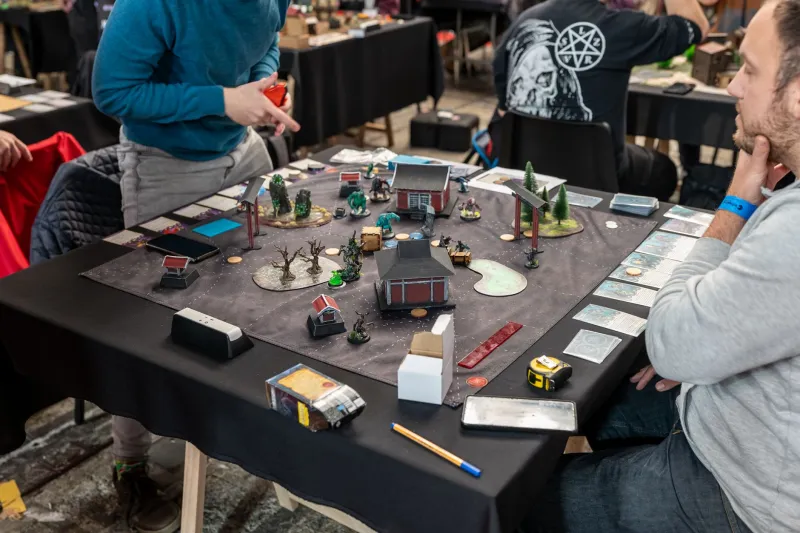
Picture this: You're hunched over a kitchen table, a lukewarm soda sweating rings into the wood, slapping down cards with your buddies like you've been doing since middle school. Life is good. The stakes are low. The laughs are high. Then someone says, "You know there's a tournament at the game store Saturday, right?"
That one sentence has launched a thousand competitive careers — and derailed just as many Saturday morning sleep schedules.
Trading card games are in the middle of a full-on renaissance, and it's not just the nostalgia crowd driving the wave. Magic: The Gathering, Yu-Gi-Oh!, and Pokémon TCG are pulling in fresh recruits and seasoned veterans alike, all of them eyeing a competitive ecosystem that's bigger, more organized, and frankly more lucrative than most people realize. So if you've been quietly dominating your friend group and wondering whether your skills could survive rougher waters, consider this your treasure map.
The Kitchen Table Is a Great Port — But It's Not the Whole Ocean
Every competitive TCG player starts somewhere humble. Marcus, a 28-year-old from Columbus, Ohio, spent three years playing Magic: The Gathering exclusively with a rotating cast of college friends. "I thought I was decent," he laughs. "Then I walked into my first Friday Night Magic event at a local game store and got absolutely wrecked by a 16-year-old playing a deck that cost four times my rent."
That's the first reality check most kitchen table captains encounter: the jump from casual play to organized play isn't just about skill — it's about format knowledge, meta awareness, and yes, budget. Competitive Magic, for instance, operates across multiple formats — Standard, Modern, Pioneer, Legacy — each with its own legal card pools, dominant strategies, and price tags. A competitive Modern deck can run anywhere from $400 to well over $1,500. Legacy? Don't ask.
But here's the good news: you don't have to start at the deep end.
Your First Port of Call: Local Game Stores
If you're serious about leveling up, your local game store (LGS) is the single most important resource you have. Weekly events like Friday Night Magic, Pokémon League Challenges, and Yu-Gi-Oh! locals are specifically designed as entry points for competitive play. The competition is real but approachable, the community is generally welcoming, and the entry fees are usually under $10.
These events also serve a purpose beyond just winning — they're where you learn. You'll see decks you've never encountered, get exposed to plays you didn't know were legal, and pick up the unspoken etiquette of competitive card gaming (yes, there's etiquette — asking to read a card is always okay; knocking over your opponent's carefully sorted graveyard is very much not).
Pokémon TCG, in particular, has invested heavily in its grassroots infrastructure. The Play! Pokémon program organizes a tiered system of League Challenges, Regional Championships, and Special Events that funnel players from their local store all the way up to the World Championships. Players earn Championship Points at each level, and enough points can earn you a coveted invite to Worlds — held annually and watched by hundreds of thousands online.
Deck-Building: Where the Real Strategy Begins
Here's something casual players often miss: in competitive TCG, how you build your deck is just as important as how you play it. This is where kitchen table habits can actually work against you. Casual players tend to build decks around cards they love or themes that feel cool. Competitive players build decks around consistency, speed, and answering the most common threats in the current meta.
The "meta" — short for metagame — is essentially the ecosystem of dominant strategies at any given time. Understanding it means tracking tournament results, following content creators on YouTube and Twitch who specialize in your game, and reading community resources like MTGGoldfish for Magic or LimitlessTCG for Pokémon. Think of it as reading the tides before you set sail. Ignore the meta and you'll be sailing straight into a storm you didn't see coming.
For budget-conscious players, formats like Magic's Pauper (commons only) or Pioneer offer competitive experiences without the financial gut-punch of Legacy or Vintage. Yu-Gi-Oh! players often point to the game's relatively standardized format as a more level playing field — though the card acquisition grind is very real there too.
The Financial Ecosystem: Treasure or Trap?
Let's talk money, because pretending competitive TCGs are cheap is like pretending the ocean is just a big puddle.
Cards in these games fluctuate wildly in value based on tournament results, set releases, and community hype. A single card can spike from $5 to $50 overnight if a top player uses it to win a major event. This means competitive players are constantly navigating a secondary market of card singles, trading, and strategic buying and selling.
That said, prize support at higher-level events can be substantial. Regional Championships in Pokémon offer cash prizes reaching into the thousands. Magic's Pro Tour — now rebranded as the Magic World Championship circuit — features prize pools in the hundreds of thousands of dollars for elite competitors. Yu-Gi-Oh! World Championship contestants compete for trophies, prize cards, and significant bragging rights.
Jamie, a 24-year-old Pokémon TCG grinder from Austin, Texas, estimates she's spent around $800 over two years on competitive play — but has won back roughly $600 in store credit, booster packs, and cash prizes. "It's not a money-maker at my level," she admits, "but it's basically paid for itself as a hobby, which is more than I can say for my gym membership."
Leveling Up: From Locals to Regionals
Once you've found your sea legs at local events, the next horizon is Regional Championships. These larger tournaments draw players from multiple states, feature significantly stiffer competition, and offer real prize support. They're also where you'll start to see the game at a higher tactical level — the kind of play that makes you realize how much you still have to learn.
The jump is humbling. It's also exhilarating.
Most players recommend attending a few Regionals just to observe before competing, getting a feel for the pace and the meta without the pressure of being on the clock. Volunteering as a judge or scorekeeper is another way to immerse yourself in the competitive world while absorbing knowledge from the sidelines.
Online play has also become a legitimate training ground. Magic: The Gathering Arena and Magic Online offer round-the-clock competitive matches, while Pokémon's online client lets players test decks before investing in physical cards. Yu-Gi-Oh! Master Duel has pulled in millions of players worldwide as both a competitive and casual platform. These digital tools mean you can log thousands of practice games without ever leaving your couch — the ultimate Captain OK move.
Set Sail Already
The competitive TCG world can feel intimidating from the outside — a swirling ocean of jargon, meta decks, expensive singles, and seasoned veterans who seem to have been born knowing what "going second" means. But every tournament admiral started exactly where you are right now: shuffling up at a kitchen table, having a blast, wondering if maybe, just maybe, they had what it takes.
The answer, more often than not, is yes. You just have to be willing to leave the harbor.
Find your local game store, show up on a Friday night, and see what happens. Worst case, you get schooled by a teenager and learn something. Best case? You discover a competitive passion that'll take you across the country, into incredible communities, and maybe — just maybe — onto a stage with a trophy in your hands.
The cards are on the table. Time to play.