Same Room, Same Couch, Same Chaos: The Glorious Return of Local Multiplayer Gaming
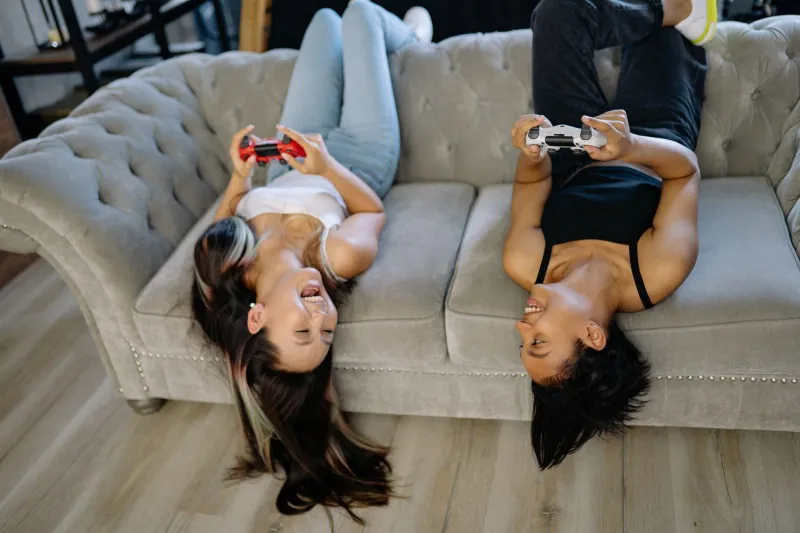
There's a particular kind of joy that no headset mic can replicate. It's the sound of your best friend screaming directly into your ear because you just stole the last star in Mario Party. It's the collective groan of four people crammed onto a loveseat, watching their carefully constructed plans collapse in real time. It's gaming at its most human — sweaty, loud, and completely magnificent.
For a while, it looked like that magic was headed for Davy Jones' locker. The mid-2000s broadband revolution convinced an entire generation that online multiplayer was the future, and local co-op was a relic from simpler times. Why play with the two people in your living room when you could play with two thousand strangers across the globe?
Turns out, those two thousand strangers were kind of terrible.
The Online Dream That Got a Little Gross
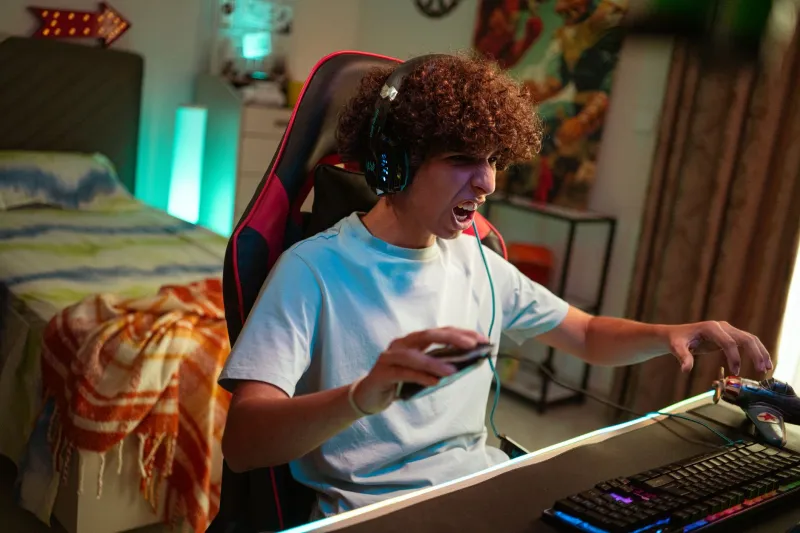
Let's be honest about what online gaming communities have become for a lot of casual players. You log in for a relaxing evening of gaming, and within twelve minutes someone is questioning your entire existence over a single missed shot. The matchmaking algorithms pair you against people who have apparently dedicated their lives to this one game. And the toxicity — oh, the toxicity — flows like a broken bilge pump that nobody wants to fix.
This isn't just anecdotal grumbling. Survey data from gaming research firms consistently shows that a significant chunk of casual players report feeling burned out or unwelcome in competitive online spaces. Algorithm fatigue is real too: recommendation engines, seasonal content drops, and the relentless pressure to stay current have turned gaming into something that feels uncomfortably like work.
So players started looking for the exit hatch. And a surprising number of them found it right back where they started — on the couch, controller in hand, yelling at someone they actually like.
The Indie Developers Who Kept the Flame Alive
While major studios chased live-service models and battle passes, a scrappy fleet of indie developers quietly kept local multiplayer breathing. Games like Overcooked, Lovers in a Dangerous Spacetime, Boomerang X, and the absolutely chaotic Moving Out became household staples not because they had massive marketing budgets, but because they were genuinely, infectiously fun to play in the same room as another human.
Developers in this space will tell you it's a design philosophy as much as a feature. When you're building for players who can see each other's faces, you're building for laughter, for shared frustration, for the moment someone accidentally solves the puzzle in the dumbest possible way and everyone loses their minds. That's a different creative goal than building for ranked ladders and kill-death ratios.
Small studios have leaned into this philosophy hard. The result is a catalog of modern local multiplayer titles that ranges from cooperative kitchen nightmares to full-contact sports games that barely qualify as sports. The creativity here is genuinely impressive — and growing.
The Heavy Hitters Noticed
Here's where things get interesting for the big-budget crowd. Nintendo, long the undisputed admiral of same-room gaming, never really abandoned the format — and the success of the Switch proved that a console built for local and portable play could absolutely dominate the market. Super Smash Bros. Ultimate became one of the best-selling fighting games in history, and a huge portion of its fanbase plays it exactly the way the original Super Smash Bros. was played in 1999: on a couch, with friends, with snacks.
Sony and Microsoft have also started paying attention. More first-party and major third-party titles are shipping with couch co-op options that would have been considered optional afterthoughts five years ago. The message from players has been loud enough that even the largest ships in the industry are adjusting their course.
Why Your Living Room Is Actually the Perfect Gaming Arena
There's something psychologically different about playing games in the same physical space as another person. The shared experience creates memories in a way that online sessions rarely do. You remember the Tuesday night in college when you and your roommate stayed up until 3 a.m. playing Halo on a tiny dorm TV. You probably don't remember a random ranked match from last Thursday.
This is partly why local gaming is thriving in family contexts too. Parents who grew up with split-screen are now introducing their kids to gaming through couch co-op titles rather than throwing them into online lobbies. It's a safer, more connected experience — and, crucially, a funnier one.
Game nights have also evolved. What used to be strictly a board game occasion now frequently includes a TV, a few controllers, and a rotation of party games designed explicitly for groups of people who range from hardcore gamers to people who last touched a controller sometime during the Clinton administration. Games like Jackbox Party Pack have built an entire empire on this exact demographic.
The Best Modern Games for Your Crew
If you're ready to reclaim your living room as the ultimate gaming vessel, here's where to start sailing:
- Overcooked! 2 — Cooperative kitchen chaos that will either strengthen your friendships or end them permanently. Possibly both.
- It Takes Two — A platforming adventure designed for exactly two players, packed with wildly inventive mechanics and a story that'll actually make you feel things.
- Mario Kart 8 Deluxe — Still the gold standard for accessible, hilarious multiplayer racing. The Blue Shell remains a crime against humanity.
- Cuphead — For groups who enjoy suffering together beautifully.
- Pummel Party — The spiritual successor to Mario Party that PC owners deserve.
- Nidhogg 2 — Two players, one screen, maximum chaos.
The Future Is Closer Than You Think
The resurgence of local multiplayer isn't a nostalgia trip wearing a trench coat. It's a genuine course correction driven by players who realized that gaming is better when it connects you to the people physically around you. The online world isn't going anywhere, and competitive gaming has its place — but so does the unhinged joy of playing something ridiculous with your actual friends in your actual house.
Captain OK's official position? Any game that causes someone to fall off the couch laughing is doing exactly what games are supposed to do. Drop anchor, grab a second controller, and let the chaos commence.
The best gaming session you'll have this year probably doesn't require an internet connection. It just requires someone willing to sit close enough to elbow you when things go sideways.
And they will go sideways. That's the whole point.