Beyond the Dragon's Lair: Why Tabletop RPG Rebels Are Rewriting the Rules of Adventure
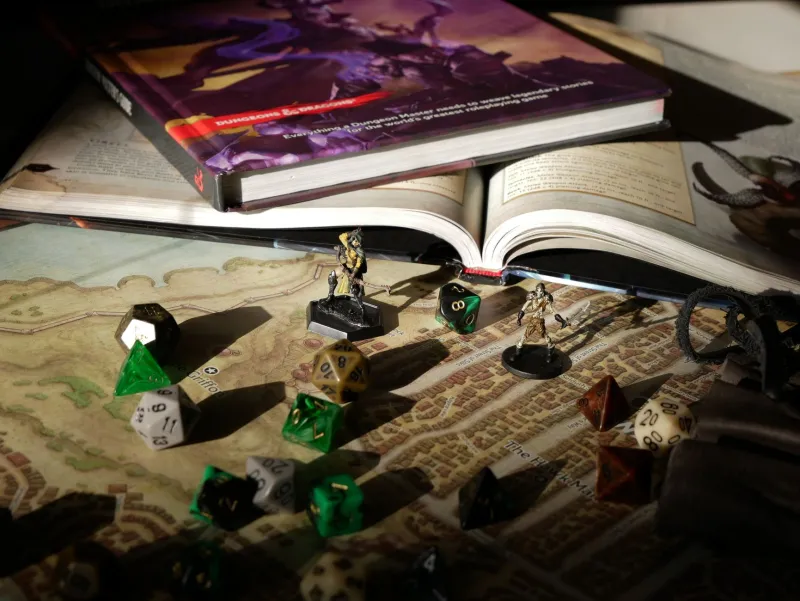
For decades, Dungeons & Dragons sat at the head of the table like the captain of every gaming galleon — respected, beloved, and almost impossible to challenge. Then something shifted. Slowly at first, like a tide turning, and then all at once, players started peeking over the railing at the dozens of other ships sailing alongside them. What they found wasn't just "D&D but different." They found entire new oceans.
Tabletop roleplaying games are having a genuine cultural moment right now, and the most exciting part isn't the rise of D&D — it's the explosion happening just outside its shadow. Games like Pathfinder, Call of Cthulhu, Blades in the Dark, and a flotilla of indie systems are pulling in players who want their stories weirder, darker, funnier, or just plain stranger than any dungeon crawl can deliver. And casual gamers — folks who never thought they'd touch a character sheet — are leading the charge.
The D&D Boom Left a Lot of Players Hungry
Here's the thing about the Dungeons & Dragons renaissance that Stranger Things and actual-play shows like Critical Role sparked: it introduced millions of Americans to the concept of collaborative storytelling through dice and imagination. But it also, somewhat accidentally, set expectations that not everyone found satisfying.
D&D's Fifth Edition is a masterpiece of accessibility. It's polished, it's supported by mountains of official content, and it's easy to find a group. But "easy" and "everything you've ever wanted from a story" are two very different ports of call. Players who wanted horror instead of heroics, moral ambiguity instead of clear-cut quests, or systems that encouraged creative problem-solving over combat optimization started looking for something else.
That's where the alternatives sailed in.
Pathfinder: For Players Who Wanted More Knobs to Turn
Pathfinder, published by Paizo, is often described as "D&D but crunchier," and that's not an insult. For players who love mechanical depth — who want their character builds to feel like a puzzle worth solving — Pathfinder 2nd Edition is a treasure chest. Its ruleset rewards strategic thinking, offers staggering customization options, and has a passionate community that rivals anything in the hobby.
What's particularly interesting is how Pathfinder has attracted players who felt D&D's Fifth Edition simplified itself a little too much. These are the gamers who want to know exactly what every feat does and why, who treat their character sheet like a blueprint for a very complicated ship. If that sounds like you, there's a whole community waiting to welcome you aboard.
Call of Cthulhu: Horror Has Never Been This Much Fun
Ask any tabletop veteran to name a game that creates genuinely memorable, gut-punch moments, and Call of Cthulhu will come up within the first three answers. Published by Chaosium and based on H.P. Lovecraft's mythology (with the problematic author's baggage firmly set aside), this game flips the RPG script entirely.
You're not heroes. You're investigators — academics, journalists, detectives — stumbling into cosmic horrors that your fragile human minds were never built to process. Characters don't level up and become legends. They slowly lose their sanity, retire broken, or die in genuinely shocking ways. And somehow, that's an absolute blast.
For casual gamers who've been told RPGs are "just fantasy combat," Call of Cthulhu is the perfect counter-argument. Sessions feel more like collaborative horror movies than video game dungeons, and the system is simple enough that newcomers can dive in after a quick rules overview. It's become a genuine gateway drug for people who thought tabletop gaming wasn't for them.
Indie Systems: The Wild West of Narrative Gaming
If Pathfinder and Call of Cthulhu represent established ports, the indie RPG scene is the open ocean — unpredictable, exciting, and occasionally terrifying in the best possible way.
Games like Blades in the Dark (where you play a crew of scoundrels in a haunted, gas-lit city pulling off heists) and Monster of the Week (think Buffy the Vampire Slayer in tabletop form) have developed cult followings by doing something radical: designing the rules around the story rather than making the story work around the rules.
Then there's the solo RPG movement — games designed for one player and no GM — which has quietly exploded in popularity since the pandemic. Titles like Ironsworn let players generate entire worlds and narratives alone, which sounds lonely until you realize how genuinely meditative and creative the experience can be.
The indie scene also champions accessibility in a way the big publishers are still catching up to. Many games are available as pay-what-you-want PDFs, and the communities around them tend to be welcoming, creative, and fiercely enthusiastic.
Why Casual Players Are Making the Leap
Here's the captain's log truth: the biggest shift happening in tabletop RPGs right now isn't about hardcore gamers switching systems. It's about people who never considered themselves "gamers" at all discovering that collaborative storytelling is just... really fun.
Short-form RPG experiences — one-shot sessions designed to be completed in a single evening — have become a gateway for groups who can't commit to a year-long campaign. Games like Lasers & Feelings (yes, that's a real game, and it rules) can be explained in five minutes and played in two hours. That's a perfect Saturday night that doesn't require anyone to read a 300-page rulebook.
Friends groups across the US are discovering that swapping a movie night for a tabletop session produces something a movie can't: a story that's entirely yours. The dragon your group defeated, the heist that went spectacularly sideways, the cosmic horror that took out your favorite character — those moments become legends that get retold at every gathering for years.
Where to Start Your Voyage
Ready to sail beyond the familiar shores? Here's a quick treasure map:
- New to RPGs entirely? Start with Monster of the Week or a Call of Cthulhu one-shot. Low barrier to entry, massive payoff.
- Love D&D but want more mechanical depth? Pathfinder 2nd Edition is your next port.
- Looking for something completely different? Blades in the Dark will change how you think about what RPGs can do.
- Playing solo or with one other person? Ironsworn is free and extraordinary.
- Short on time? Search "one-page RPGs" and prepare to be overwhelmed by free, brilliant options.
The tabletop RPG ocean is bigger than it's ever been, and the most exciting destinations aren't on any map D&D ever printed. All you have to do is grab some dice, gather your crew, and decide where the story takes you.
Captain's orders: set sail. The uncharted waters are always more interesting.