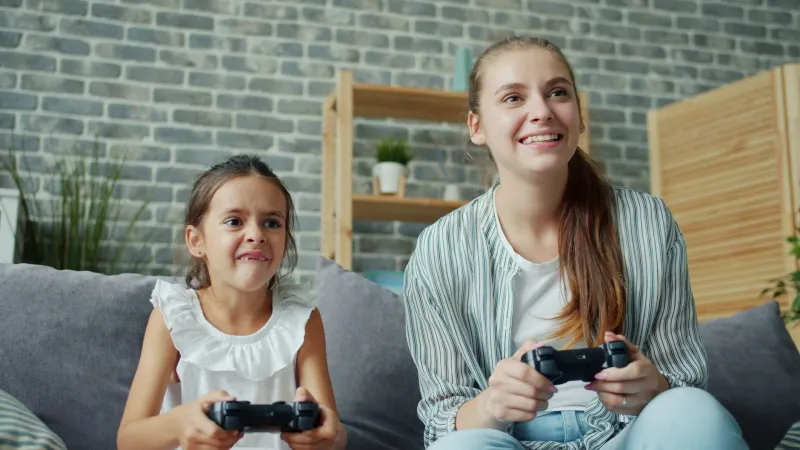
From Meltdown to Masterclass: How Gaming Therapy Is Turning Rage Quits Into Real Wins

Picture this: You've just lost your fifth ranked match in a row. Your teammates were, to put it charitably, not helpful. Your controller is dangerously close to becoming a wall decoration. You've rage-quit, slammed your headset down, and now you're sitting in the dark questioning every decision you've ever made — not just in the game, but in life.
Sound familiar? You're not alone, sailor.
Across the United States, a growing wave of therapists, counselors, and mental health platforms are waking up to something the gaming community has known forever: playing games is an intensely emotional experience. And for millions of Americans, those emotions have started spilling way beyond the screen. The good news? A whole new industry has quietly set sail to help players navigate those choppy waters — without asking them to abandon their favorite hobby.
Why Gamers Are Finally Asking for Help
For a long time, the idea of seeking therapy specifically because of gaming-related stress felt, well, embarrassing. Like admitting you cried over a fictional character or threw a controller at a wall (no judgment — we've all been there). But attitudes are shifting fast.
Dr. Rachel Kim, a licensed clinical psychologist based in Austin, Texas, who specializes in gaming-related anxiety, says the stigma is eroding at a remarkable pace. "I started incorporating gaming into my practice about five years ago because I kept seeing the same patterns — clients who were high-functioning in most areas of life but completely unraveling emotionally when it came to their gaming habits," she explains. "The competitive stress, the social dynamics, the identity wrapped up in performance — it mirrors a lot of what athletes experience, and we've always taken athlete mental health seriously."
That athlete comparison isn't just rhetorical. Esports organizations at the collegiate and professional level have begun hiring full-time mental performance coaches. Teams competing in leagues for games like League of Legends, Valorant, and Call of Duty now budget for psychological support the same way traditional sports franchises do. The trickle-down effect? Everyday players are starting to think, "Hey, maybe my mental game matters too."
The Burnout Is Real — and It Has a Name
One of the most common issues gaming-aware therapists encounter is burnout — that hollow, exhausted feeling that creeps in after hours upon hours of grinding, ranked climbing, or chasing impossible performance standards.
Mike Torres, a 28-year-old from Chicago who plays competitive shooters recreationally, describes it perfectly: "I stopped enjoying the games I used to love. I was logging in out of habit, getting frustrated immediately, and then feeling guilty for not playing better. It was this weird loop I couldn't escape."
What Mike experienced has a clinical name: gaming burnout, which shares significant overlap with occupational burnout. Therapists who work in this space say it's driven by a toxic cocktail of perfectionism, social pressure from online communities, and the dopamine-reward cycles built into modern game design. The result isn't just frustration — it can manifest as genuine anxiety, sleep disruption, and even depression.
Apps like Cope Notes, Finch, and newer platforms specifically targeting gamers are beginning to address this head-on, offering mood tracking, guided breathing exercises, and cognitive behavioral therapy (CBT) techniques dressed up in interfaces that don't feel clinical or intimidating. Some even gamify the wellness process itself — earning streaks and rewards for completing mental health check-ins. Honestly? Brilliant.
Gaming-Aware Therapy: What Actually Makes It Different
Here's where things get genuinely interesting. Traditional therapy, while valuable, often stumbles when it encounters gaming culture. A therapist who doesn't understand the emotional stakes of a ranked ladder, the social complexity of guild dynamics, or the very real identity investment players make in their characters can accidentally dismiss concerns that are deeply meaningful to their clients.
Gaming-aware therapy flips that script. Practitioners in this space speak the language. They understand why losing a hard-earned rank feels catastrophic, why toxic teammates can ruin your entire week, and why the line between "healthy hobby" and "unhealthy escape" can be genuinely blurry.
"I use the games themselves as therapeutic tools," says Dr. Kim. "If a client is struggling with perfectionism, we'll talk about how that shows up in their gameplay — the need to have perfect stats, the inability to enjoy a win because they made mistakes. Then we work backward into how that same pattern plays out in their relationships and career. The game becomes a really honest mirror."
This approach is gaining traction in universities too. Campus counseling centers at schools like the University of Michigan and UCLA have begun training counselors specifically to address esports-related stress as competitive collegiate gaming programs expand.
Channeling the Competitive Fire Without Getting Burned
One of the most compelling aspects of gaming therapy is that it doesn't ask players to quit — it helps them recalibrate. The competitive drive that makes a gamer grind for hours, analyze their mistakes, and push for improvement is genuinely valuable. The goal isn't to douse that flame; it's to stop it from burning the house down.
Common techniques include structured "off-time" rituals (logging out with intention rather than frustration), reframing losses as data rather than failure, and building social connections within gaming communities that go beyond just performance validation. Support groups — both online and in-person — specifically for gamers dealing with anxiety and burnout have popped up on Discord servers and Reddit communities, creating spaces where it's safe to say "I'm struggling" without the fear of being told to "just get good."
Torres, for his part, started working with a therapist who gamed himself. "It changed everything. He got it. He didn't tell me to stop playing — he helped me figure out why I was playing in a way that was making me miserable and how to actually enjoy it again."
The Horizon Looks Bright
The gaming mental health space is still young, but it's growing fast. Platforms like Take This (a nonprofit focused on mental health in gaming culture) and organizations like the ESA Foundation are funding research and awareness campaigns that legitimize the conversation at scale. Meanwhile, major gaming companies are beginning — slowly, imperfectly, but genuinely — to consider the psychological impact of their design choices.
For the average player sitting on their couch after a brutal loss, that might all sound very far away. But here's the honest truth: the fact that gaming therapy exists at all is a win. It means the industry is finally acknowledging what players have always known — that what happens on screen matters. That the emotions are real. That the community is worth taking care of.
So if you've rage-quit one too many times lately, maybe it's time to chart a new course. Your mental health is worth the respawn.