Parenting the Player: Smart Moves for Navigating Your Kid's Gaming World Without Going Full Villain
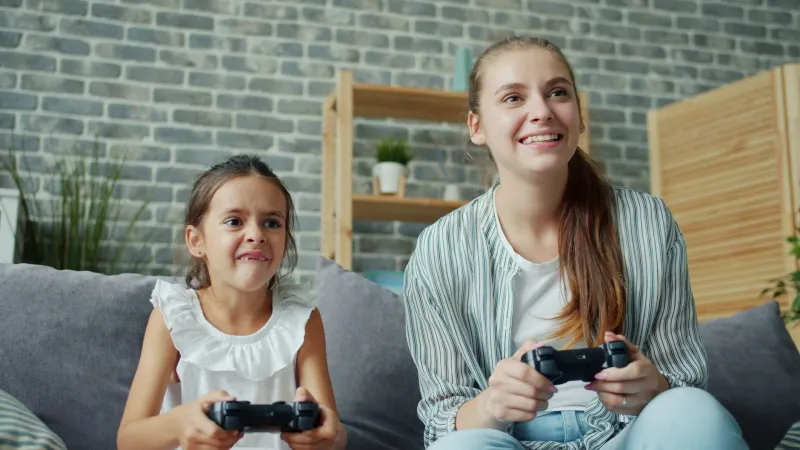
Let's be honest. If you've ever stood in the doorway of your kid's room, watching them lose track of time for the fourth hour straight while some cartoon character yells at them from the TV, you've probably felt the urge to yank the power cord like a pirate cutting an anchor line. We get it. The struggle is real, and you're absolutely not alone.
But here's the thing — the "nuclear option" rarely works. In fact, family therapists, game designers, and parents who've actually figured this thing out will tell you the same thing: winning the gaming battle isn't about going to war. It's about becoming a smarter captain of the ship.
Why the Old Rules Don't Cut It Anymore
For a long time, parental logic around gaming was pretty simple: too much screen time bad, go outside good. Slap a time limit on it, confiscate the console if necessary, done. Except... it wasn't done. It never really worked that cleanly.
Dr. Michelle Tanaka, a family therapist based in Austin, Texas, has seen hundreds of families navigate this exact tension. "The parents who come in frustrated usually have one thing in common," she says. "They've been treating gaming like a punishment waiting to happen, rather than an activity worth understanding."
Here's what's shifted: gaming in 2024 isn't the same isolated, passive activity it was in the '90s. Kids aren't just pushing buttons — they're building friendships, developing problem-solving skills, and in many cases, finding communities where they genuinely belong. Blowing that up without context feels, to them, like having your whole social life confiscated. And honestly? From their perspective, it kind of is.
The Map vs. The Megaphone
There's a massive difference between setting a boundary and issuing a decree. One invites your kid into the conversation. The other just creates resentment and an underground gaming operation you won't find until they're seventeen.
Parents who are actually winning this thing — and yes, they exist — tend to use what family counselors call the "map approach." Instead of just telling kids where they can't go, they help them chart a course that includes gaming as a legitimate stop on the journey, not a forbidden island.
Practically speaking, this looks like:
- Sitting down together to decide on daily or weekly gaming windows, rather than imposing them unilaterally.
- Asking about the games they're playing. What's the goal? Who are they playing with? What do they love about it?
- Connecting screen time to responsibilities in a logical, non-punitive way — finish homework, earn your gaming session. Not as a carrot-and-stick punishment, but as a natural rhythm of the day.
Jamie Kowalski, a dad of three from Columbus, Ohio, tried the hard-line approach for two years before switching strategies. "I used to set a timer and when it went off, it was World War III," he laughs. "Now we've got a shared calendar on the fridge. The kids actually police each other. It's wild."
Tools That Actually Help (Without Feeling Like Surveillance)
Technology, bless its complicated heart, has given parents some genuinely useful tools — as long as you use them transparently rather than secretly. Nobody likes finding out they've been monitored. That goes double for teenagers.
Some standouts worth knowing about:
Google Family Link — Works across Android devices and lets parents approve app downloads, set screen time limits, and check in on activity. The key is telling your kid it's there and why.
Apple Screen Time — Built right into iPhones and iPads. You can set downtime windows, limit specific apps, and even get weekly reports. Again, transparency is everything.
Nintendo Switch Parental Controls App — This one's genuinely clever. It gives parents detailed data on playtime and lets you set bedtime alarms directly on the console. The best part? Nintendo made an intentionally funny promotional video about it that you can watch together with your kid, which defuses the whole "spy parent" energy immediately.
Xbox Family Settings App — Microsoft's version is robust and lets you manage spending, content filters, and time limits across the family's Xbox ecosystem.
The golden rule with all of these: introduce them openly. "Hey, I found this app that helps us keep track of gaming time together" lands very differently than your kid discovering it on their own.
What Game Designers Actually Think About This
Here's a plot twist you might not have expected — a lot of game developers are actively thinking about healthy play habits. Marcus Reid, an indie game designer who's worked on several family-friendly titles, says the conversation inside the industry has shifted noticeably.
"We used to design for maximum engagement at all costs," he admits. "But there's a growing movement toward what some of us call 'respectful design' — games that reward you for stopping, that don't punish you for logging off, that don't use every psychological trick in the book to keep you glued."
This matters for parents because not all games are created equal from a habit-forming standpoint. Games with natural stopping points — levels that end, stories that pause, sessions that wrap up cleanly — are much easier for kids to walk away from than open-world games or live-service titles designed to keep players hooked indefinitely. Knowing the difference helps you choose your battles wisely.
Building Trust, Not Just Rules
The parents, therapists, and community voices who contributed to this story kept coming back to one theme: the goal isn't control. It's trust.
Parents who've found their sea legs on this issue tend to share a few habits in common. They play games with their kids sometimes, even badly, even just for twenty minutes. They celebrate gaming wins the same way they'd celebrate a soccer goal. And crucially, they don't treat gaming as the enemy — they treat excess as the thing to manage.
"When my daughter knows I actually care about what she's doing in there," says Priya Mehta, a mom from the Seattle area, "she's so much more willing to come out when I ask. It's not magic. It's just respect going both ways."
Kids who feel their interests are genuinely valued — not just tolerated until they can be redirected to something more "productive" — are statistically more likely to self-regulate. Dr. Tanaka backs this up: "Autonomy is huge for adolescent development. When kids feel like they have some real agency over their gaming, they're actually better at managing it."
Charting Your Own Course
There's no single treasure map here. Every family is different — different kids, different ages, different games, different schedules. What works for a household with a nine-year-old who loves Minecraft might not work for one with a fifteen-year-old deep in competitive online gaming.
But the compass points stay the same: stay curious, stay consistent, stay in the conversation. The parents who figure this out aren't the ones who went hardest on the rules. They're the ones who stayed engaged long enough to actually understand the world their kid is sailing through.
And hey — you might even have a little fun along the way. Stranger things have happened.