The Sunken Library: A Confession About All the Games You'll Never Actually Play
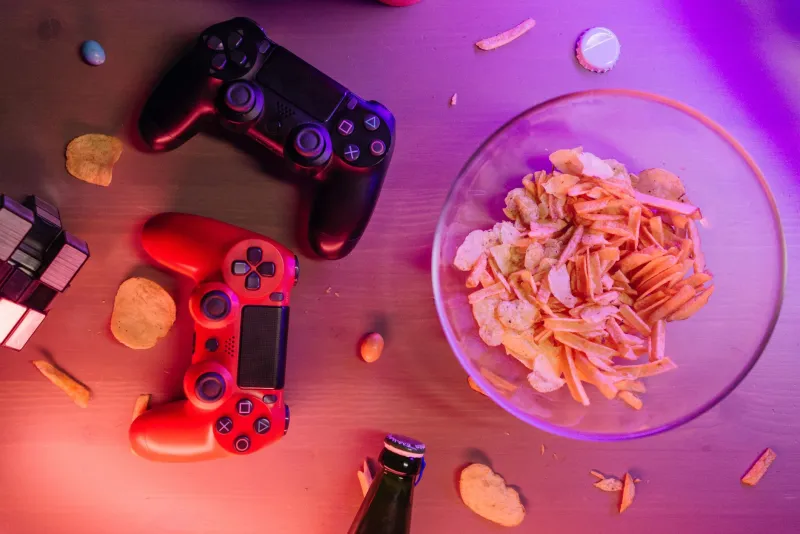
Deep beneath the waves of your gaming life lies a graveyard. It glitters. It's full of promise. It contains at least one game you bought three years ago during a Steam sale because it was $2.99 and had "overwhelmingly positive" reviews, and you have absolutely never launched it. Not once. Not even to see the title screen.
Welcome to the Backlog — gaming's most universal shared experience and most spectacular collective delusion. We need to talk about it.
The Treasure That Keeps Sinking
Let's start with some numbers that will make you feel personally attacked. According to various gaming platform analytics, the average Steam user has played fewer than half the games in their library. Some estimates put the ratio of owned-to-played games at something closer to 1-in-4. There are entire accounts with hundreds of titles where the most recent launch was a decade ago.
And yet — and this is the crucial part — we keep buying. We keep clicking "add to cart" during holiday sales with the serene confidence of someone who absolutely has time to play 80-hour RPGs in between work, sleep, and pretending to watch the show our partner is actually watching. The backlog grows. The guilt simmers. The next sale arrives. And the cycle continues.
This is not a personal failing. This is a deeply human psychological phenomenon dressed up in controller-shaped clothing.
Why Our Brains Are Basically Broken for Deals
Here's the thing about a Steam sale, a PlayStation Store discount, or a "three games for $15" bundle: your brain doesn't process it as a purchase. It processes it as a rescue mission. That game is on sale right now, and if you don't grab it, it might go back to full price, and then you'll want it more, and it'll cost more, and you'll feel like an idiot. Your brain is running a full emergency response protocol over a $4 indie platformer.
This is called loss aversion, and it's the same psychological quirk that makes people hoard coupons they'll never use and buy bulk quantities of salad dressing. The fear of missing out on a deal is genuinely more powerful than the actual desire to own the thing. You're not buying a game. You're buying the feeling of having secured something before it got away.
Throw in FOMO about the cultural conversation — "everyone's playing this right now, I'll grab it and join in" — and you've got a recipe for a library that expands like the universe: constantly, in all directions, with no apparent ceiling.
The Nostalgia Trap Is Its Own Whole Thing
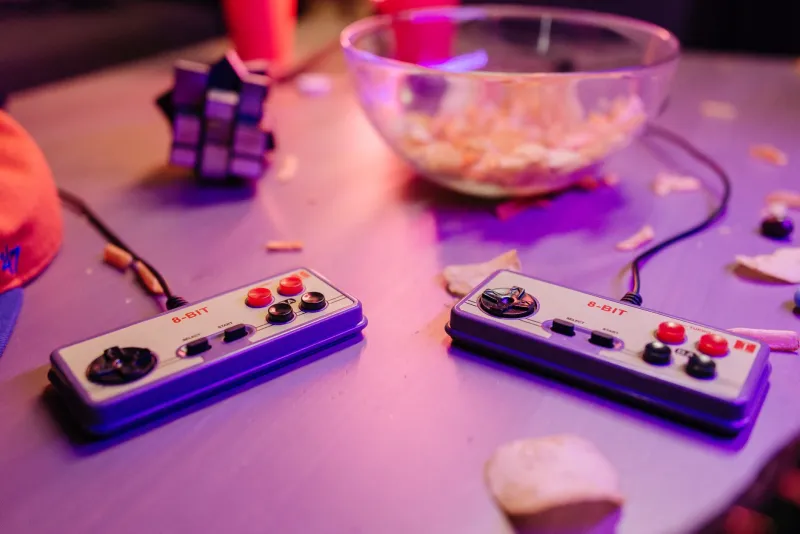
There's a specific flavor of backlog shame that deserves its own category: the nostalgia purchase. This is when you see a remaster, a sequel, or a spiritual successor to something you loved as a kid, and something primal fires in your brain like a distress flare. You don't want to play this game. You want to feel the way you felt at 12, sitting cross-legged in front of a CRT television with no responsibilities and infinite time.
You buy the game. You play it for 45 minutes. It's fine. The magic isn't quite there. You close it and feel vaguely sad in a way you can't fully explain. The game joins the sunken library.
This isn't the game's fault. It's just the nature of nostalgia — a feeling that lives in the past and doesn't always survive the journey forward. But the industry knows exactly what it's doing when it announces that beloved franchise revival, and honestly, fair enough. They're not wrong that you'll buy it.
Physical Hoarding: A Special Circle of the Backlog
Digital libraries at least have the decency to be invisible. Physical game collections are out there on the shelf, staring at you, judging you in full color with box art specifically designed to make you feel like a coward for not playing them.
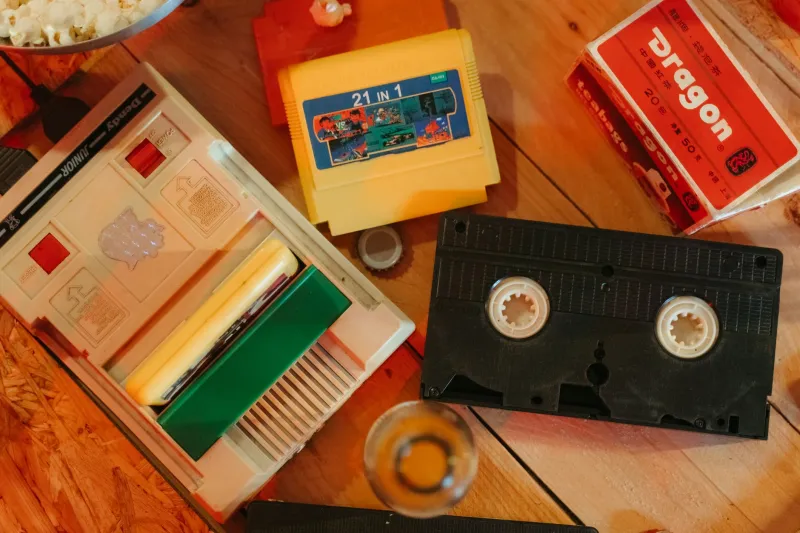
The collector's impulse adds a whole other dimension to this. Some people buy physical games not primarily to play them but to own them — to have the object, the artifact, the thing you can point to and say "I have that." This is completely valid as a hobby, but it does mean that certain games on the shelf have approximately zero chance of ever being played. They're decorative. They're investments. They're conversation pieces. They are not going to be finished.
GameStop's used section, thrift stores, and retro game shops across America are full of people performing the exact same ritual: picking up a case, turning it over, reading the back, doing the math on whether they'll ever actually play it, and buying it anyway. It's a beautiful, hopeless tradition.
The Tips Section Nobody Asked For (But Here We Are)
Okay, enough wallowing. If you genuinely want to chip away at the backlog without making it feel like a chore, a few things actually work.
Pick one game at a time and finish it before buying anything new. Revolutionary concept. Almost nobody does it. It works.
Use a "currently playing" rule. You're only allowed to have one or two active games at once. When you finish one, you unlock the right to start another. Gamify your gaming.
Stop treating sales as emergencies. Most games go on sale again. The one that's 60% off today will be 75% off in six months. The deal will return. Breathe.
Embrace the DNF. "Did Not Finish" is a completely legitimate outcome. Not every game is for you. Dropping something that isn't clicking after three hours isn't failure — it's time management.
Delete the games you know you're never playing. Yes, even that one. You know which one.
The Voyage Continues
The backlog is not a problem to be solved. It's a monument to optimism — a record of every time you looked at a game and thought, someday, I'll have time for this. That's a genuinely lovely impulse, even when it gets a little out of hand.
So the next time you're staring at your library and feeling the weight of all those unplayed adventures, remember: you're not behind. You're just a very ambitious sailor with more ports on the map than hours in the day.
The sea is wide. The games aren't going anywhere. And there's always another sale.