Stick Drift Nation: The Controller Crisis Quietly Ruining Your Game Night
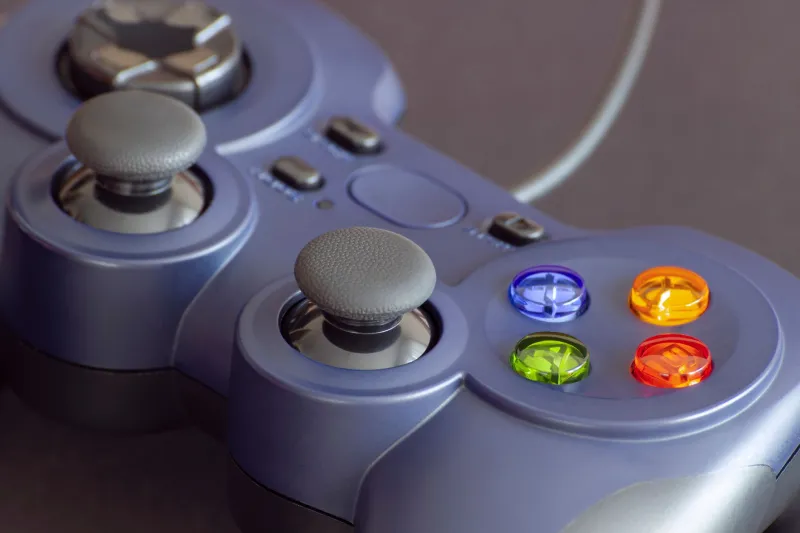
You're three hours deep into a boss fight. Health bar critical, last life on the line, and then — without warning — your character pirouettes gracefully off a ledge like a ballerina who just doesn't care anymore. You didn't touch a single button. Your thumbstick did that all by itself. Congratulations: you've officially joined the drift club.
Controller stick drift isn't a new problem, but it's become an epidemic that's quietly capsizing game nights across the country. And the more gamers talk about it, the angrier — and more organized — they're getting.
What Is Stick Drift, Exactly?
At its most basic, stick drift happens when the analog stick on your controller registers movement even when you're not touching it. The culprit is usually a tiny component inside called a potentiometer — a sensor that reads the physical position of your stick. Over time, the carbon contact inside that sensor wears down, creating gaps in accuracy. Your console thinks you're pushing the stick forward. You're just sitting there eating chips.
The Nintendo Switch Joy-Con became the poster child for this disaster. A 2020 lawsuit alleged that Nintendo knew about the defect before shipping and chose to sell the product anyway. Nintendo settled in 2021, offering repair or replacement programs, though the company never formally admitted fault. Meanwhile, PlayStation's DualSense controller — the shiny centerpiece of the PS5 launch — started showing drift complaints within months of release. Xbox controllers haven't been immune either.
In other words: this isn't a brand problem. It's an industry-wide mutiny happening inside your own hands.
The Hidden Cost Nobody Talks About
Here's where it gets really salty. A replacement Joy-Con pair runs about $80. A new DualSense will set you back $70. An Xbox Wireless Controller? Around $60. Multiply that by how often dedicated gamers replace drifting controllers, and you're looking at a serious annual expense that never shows up in those "cost of gaming" breakdowns.
Mike Trevino, a hardware repair technician based in Austin, Texas, says his shop sees drifting controllers every single day. "It's the number one thing people bring in," he told us. "Some of these controllers are barely six months old. The parts themselves cost maybe two dollars to replace, but manufacturers make the process difficult enough that most people just buy new ones instead."
That's the real genius — or villainy — of the situation. Repair is technically possible, but it's been engineered to feel impossible. Controllers are increasingly difficult to open without specialized tools, and many warranties are voided the moment you crack the shell. It's almost like someone designed it that way on purpose. Almost.
The Repair Revolution Fighting Back
But gamers, as a group, are not known for quietly accepting defeat. Across Reddit, YouTube, and TikTok, a full-blown DIY repair movement has exploded. Videos showing step-by-step thumbstick replacement tutorials rack up millions of views. Communities like r/consolerepair have become digital dry docks where frustrated players swap tips, sourcing guides, and moral support.
The fix itself — swapping out the worn potentiometer for a Hall effect sensor, which uses magnets instead of physical contact and theoretically never wears out — has become something of a Holy Grail mod. Hall effect replacement kits for Joy-Cons and DualSense controllers are now widely available online for under $20, and the modding community treats successfully installing one with the same energy most people reserve for completing a 100-hour RPG.
"I've done probably forty of these now," says Danielle Okoye, a self-taught repair enthusiast from Atlanta who runs a small controller refurbishment side hustle. "Once you do it twice, it's easy. The problem is that nobody should have to do it at all."
She's not wrong.
Legal Storms on the Horizon
The lawsuits haven't stopped at Nintendo. Consumer advocacy groups have pushed for Right to Repair legislation that would require manufacturers to provide affordable access to replacement parts and repair documentation. Several states, including New York, have passed versions of Right to Repair laws, and federal pressure is mounting. The FTC has flagged the gaming hardware industry as one worth watching closely.
Nintendo did eventually expand its free repair program for Joy-Con drift in the US, processing millions of repairs at no charge. But critics point out that the underlying hardware design was never fundamentally changed — meaning new Joy-Cons shipped today still use the same potentiometer-based sticks that started drifting in 2017.
What Can You Actually Do Right Now?
Short of waiting for the industry to grow a conscience, there are real options for drifting-controller sufferers:
Compressed air is your first mate. Before anything else, blast some compressed air around the base of the thumbstick. Dust and debris can cause false drift signals, and sometimes this genuinely fixes the problem. It's not glamorous, but it's free.
Recalibrate before you replace. Both PlayStation and Nintendo offer stick calibration tools in their system settings. Sometimes the software just needs a reset. It takes two minutes and costs nothing.
Claim your warranty. If your controller is under a year old, contact the manufacturer. Nintendo's repair program is well-established, and Sony has quietly processed warranty claims for DualSense drift. You paid for working hardware. Make them deliver it.
Consider Hall effect alternatives. Third-party controllers from brands like GuliKit and Flydigi ship with Hall effect sticks built in. They're not the official experience, but they're also not going to drift into an ocean of frustration three months from now.
Learn the repair. Seriously. The YouTube tutorials are excellent, the parts are cheap, and there's something deeply satisfying about fixing your own gear. Captain OK fully endorses the idea that every gamer should at least attempt one controller repair. It's an adventure in its own right.
The Bigger Picture
Controller drift is, at its core, a story about what happens when the gaming industry prioritizes rapid product cycles over build quality. When manufacturers profit more from hardware replacement than from longevity, there's very little financial incentive to fix the problem at the source.
But gamers are increasingly savvy consumers, and the tide — pun absolutely intended — may be turning. The combination of legal pressure, repair community growth, and rising consumer awareness is forcing conversations that manufacturers would rather avoid.
Until Hall effect sensors become standard equipment across the board, though, the drift will continue. Your character will keep walking into walls on their own. And somewhere out there, a controller technician will keep doing a brisk business fixing a problem that should never have shipped in the first place.
Sail smart, check your sticks, and maybe keep that compressed air can close at hand. The seas of modern gaming are treacherous — and sometimes the enemy is already in your palms.