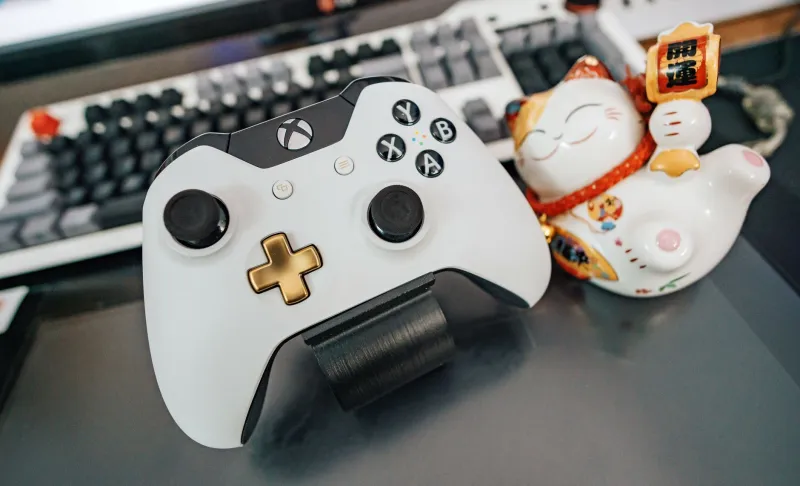
Keep Your Cool or Lose Your Controller: What Science Says About Gaming Meltdowns
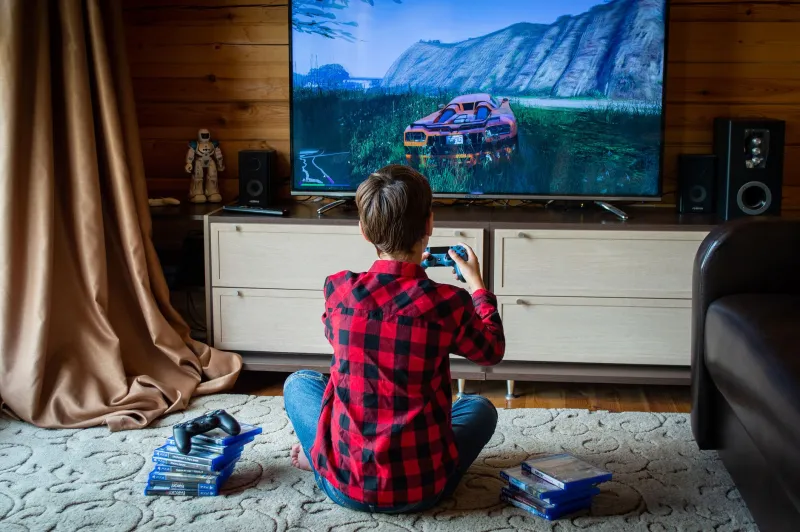
We've all seen it. Maybe you've been it. One second, someone's cheerfully grinding through a dungeon. The next, a controller is airborne, a headset is in two pieces, and the neighbors are filing a noise complaint. Gaming rage is as old as gaming itself — but what's actually happening inside that skull of yours when rubber-band AI snaps you back from first place for the fourteenth time? Buckle up, crew. We're sailing deep into the psychology of gaming frustration, and the waters are wild.
Your Brain on a Boss Fight
Here's the thing about your brain: it genuinely cannot tell the difference between a real threat and a virtual one when the stakes feel high enough. When you're three hours into a permadeath run and a random enemy clips through a wall and one-shots your character, your amygdala — the brain's emotional alarm system — fires like a foghorn in a hurricane.
Cortisol and adrenaline flood your system. Your heart rate spikes. Your hands tighten around that controller like it owes you money. This is the classic fight-or-flight response, and it's hilariously disproportionate to the situation of sitting on a couch in your pajamas at 11 p.m.
Psychologists who study emotional regulation point to something called frustration tolerance — basically, how much friction a person can handle before they blow a gasket. And here's the kicker: it varies enormously from person to person, and it's shaped by everything from genetics to how much sleep you got last night.
The Mechanics That Make You Lose Your Mind
Not all gaming frustration is created equal. Certain design choices are basically psychological landmines, and game developers know exactly what they're doing.
Rubber-band AI is perhaps the sneakiest villain of the bunch. You've worked hard, built a commanding lead in a racing game, and then — as if by dark magic — every opponent suddenly has rocket boosters. The rage this produces isn't just about losing. It's about losing unfairly, which triggers a deep sense of injustice that even toddlers are wired to feel. Your brain screams that's not right, and it's not wrong.
One-hit kills are another story. They compress the emotional arc of failure into a single, brutal instant. There's no gradual decline, no warning — just sudden, merciless death. Research on emotional responses suggests that sudden negative outcomes hit harder than gradual ones because the brain has no time to prepare its coping mechanisms. It's the gaming equivalent of a rogue wave.
Permadeath mechanics deserve their own chapter in the psychology textbook. When hours of progress can vanish in a single mistake, the stakes feel genuinely enormous. Players report elevated stress levels comparable to real-world high-pressure situations. The investment — emotional, temporal, mental — makes the loss feel catastrophic. No wonder people have chucked perfectly good hardware over Elden Ring.
So Why Do Some Players Stay Zen?
Walk into any gaming community and you'll find two distinct species: the rage-quitters and the eerily serene. The second group isn't just suppressing their feelings — they're actually processing them differently.
Psychologists point to a concept called reappraisal, which is the ability to reframe a frustrating situation before the emotional explosion occurs. Zen gamers tend to instinctively view failure as information rather than punishment. A brutal death isn't a catastrophe — it's a data point. "Okay, that strategy didn't work. Let's try something else." It sounds simple, but rewiring your brain to do this automatically takes genuine practice.
Personality also plays a massive role. People who score high in neuroticism on standard personality assessments tend to experience negative emotions more intensely and recover from them more slowly. Meanwhile, those high in agreeableness and openness often demonstrate better emotional regulation in frustrating scenarios — gaming included. None of this is a moral judgment; it's just wiring.
There's also the matter of perceived control. Players who feel like they understand why they failed — and believe they can correct it — stay calmer than those who feel like the game is simply cheating them. This is why transparent game design actually reduces rage: when players understand the rules, failure feels like a puzzle rather than an ambush.
The Hall of Fame: Gaming Meltdowns That Broke the Internet
Of course, no article about gaming rage is complete without honoring the legends who took frustration into the stratosphere.
The gaming internet has a rich archive of spectacular meltdowns — from streamers who've hurled keyboards out windows mid-session to the classic NES Kid video that's been circulating since the early YouTube era. One particularly memorable clip features a player attempting the same Dark Souls boss roughly forty consecutive times before finally standing up, calmly walking off-screen, and returning thirty seconds later with a snack like nothing happened. The comments section called it "the most evolved human response ever recorded."
Then there's the entire genre of Mario Kart rage, which deserves its own documentary. Something about that blue shell hits different. Scientists could probably power a small city with the collective fury generated by a well-timed blue shell in the final lap.
Practical Tips for Keeping Your Ship Steady
Alright, Captain — enough analysis. Here's how to actually keep your cool when the game is doing its absolute worst:
Take the 90-second rule seriously. Neuroscientist Dr. Jill Bolte Taylor found that the physiological surge of an emotion lasts about 90 seconds if you don't feed it with additional thoughts. When you feel the rage building, step away for two minutes. Literally just walk away. The controller will still be there.
Rename failure. Seriously, try it. Instead of "I died," say "I collected data." It sounds goofy, but reframing language actually shifts how your brain processes the event. Elite gamers do this intuitively.
Watch your baseline. Tired, hungry, or stressed gamers rage more. This isn't weakness — it's biology. Your frustration tolerance is a resource, and it depletes throughout the day. Grinding a notoriously brutal game at midnight after a rough workday is basically asking for a meltdown.
Choose your difficulty honestly. There's zero shame in adjusting difficulty settings. Playing on a level that constantly overwhelms you isn't proving anything — it's just marinating in cortisol. Play the game that's fun for you.
Laugh at it. The gamers who last longest in the hobby are almost always the ones who've developed a sense of humor about failure. The ability to say "well, that was spectacular" after a disastrous run is genuinely a superpower.
Final Word from the Captain
Gaming frustration isn't a character flaw — it's a feature of being human, plugged into an experience designed to challenge and occasionally humiliate you. The difference between rage-quitting and staying zen isn't about caring less. It's about processing differently.
So next time rubber-band AI robs you of a perfectly earned victory, take a breath, remember that your amygdala is just doing its dramatic little job, and maybe — just maybe — put the controller down gently. Your TV will thank you.